Tires and wheels
Pressure, tread and sidewalls: the three things to look at on every tire, and how often.
Read More


// About DrivePath
DrivePath Safety explains the parts that keep a car safe, in the order you would check them, in words that need no workshop to follow.
Learn More
Tires, lights, the fluids under the hood and the view from the seat, once a month, in that order.
The sounds, smells and feelings that mean a part deserves a closer look, and how soon.
// Safety checks
Each guide explains what to look at, what is normal and when a technician should take over. Start at the tires and work your way round.
Pressure, tread and sidewalls: the three things to look at on every tire, and how often.
Read More
How the pedal feels, what the car sounds like when it slows, and the one fluid to look at.
Read MoreHeadlights, brake lights and turn signals: how to check them alone in two minutes.
Read MoreBlades, washer fluid, chips in the windshield and mirrors set to cut down blind spots.
Read More
Pulling, wandering, bouncing and knocks: what the way a car rides is telling you.
Read MoreThe reservoirs under the hood worth knowing by sight, and the signs a battery is tiring.
Read MoreBuild a printable checklist for the trip you are about to take, in under a minute.
Build a trip checklist// Know the limits
A walk-around tells you a lot, but much of a car’s safety lives where only a lift and the right tools can reach. DrivePath is clear about where your part ends.
Pads, discs and lines are measured with the wheel off. Listen and watch the fluid; leave the rest to a shop.
Worn joints show up on a lift long before most drivers feel them. Mention any knock or wander.
// Warning signs
A high squeal that comes back every time you slow down can come from the small metal tab many brake pads carry to signal wear. Grinding or scraping is a stronger sign and is worth having checked the same week.

A vibration that grows with speed often traces back to a tire that is out of balance or damaged. A shake only when braking points somewhere else. Note when it happens before you describe it to a shop.
A tire that needs air far more often than the other three usually has a slow leak, from a nail in the tread to a leaking valve. A tire shop can find it and tell you whether it can be repaired.

Some lights mean stop as soon as it is safe; others mean book a check soon. Red usually signals the more urgent kind and amber a check. The owner’s manual lists every light your car has.

// Safety tips
A reminder when the weather turns, news of a new guide and nothing else. At most 4 texts a month, at no cost, and a single reply of STOP ends them.
A short welcome email is on its way, plus a single confirmation text if you ticked the text box.
// Monthly walk-around
Four stops around the car, always in the same order, so nothing gets skipped. Most months it is all fine, and that is worth knowing too.
Walk around the car with a pressure gauge. Check each tire against the door sticker, run the penny test across the tread and look along both sidewalls.
Switch on headlights, then signals and hazards, and walk around once more. Check the brake lights with a reflection or a helper.
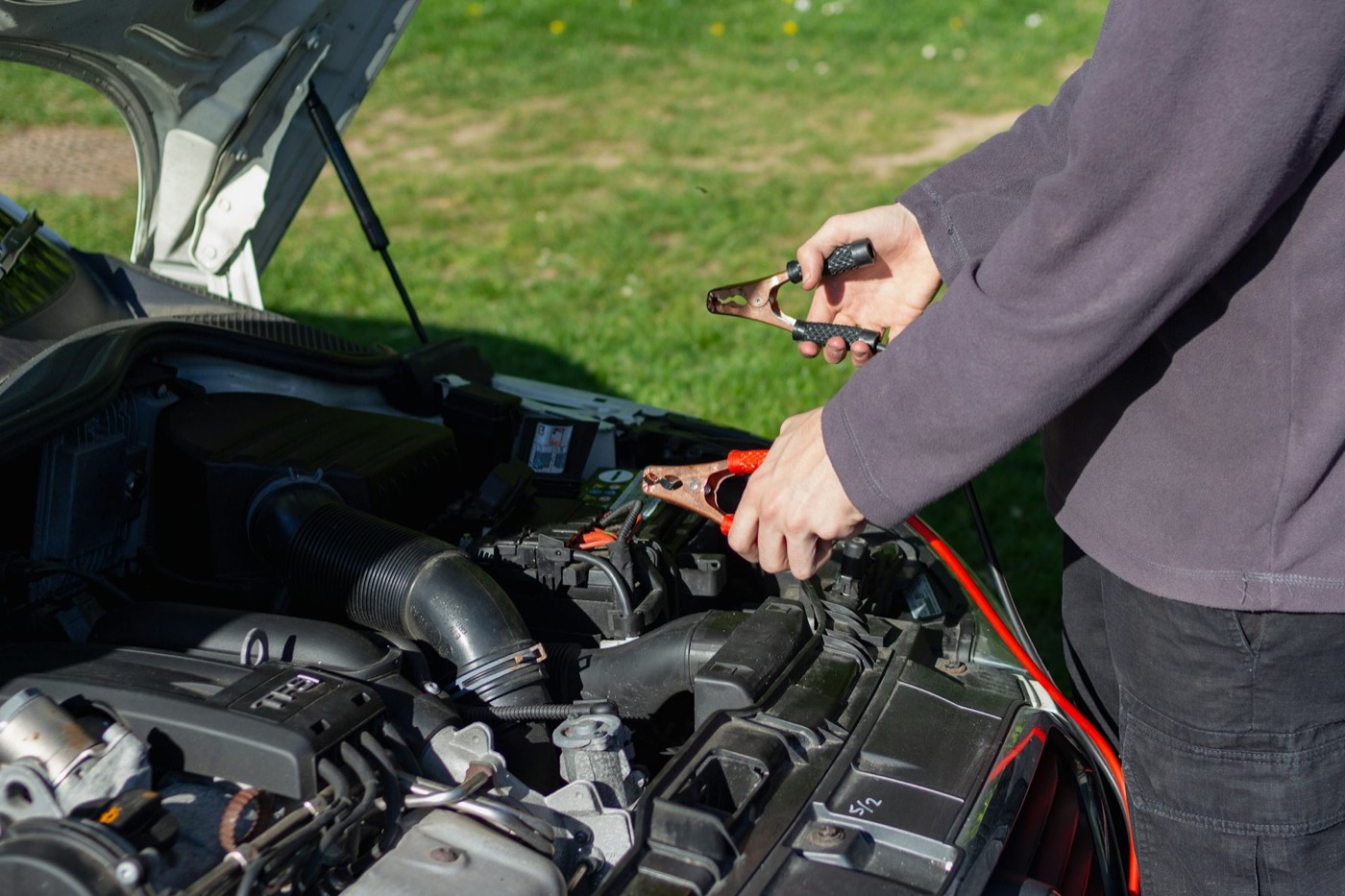
With the engine cold and the car on level ground, look at oil, coolant, brake fluid and washer fluid, and glance at the battery terminals.
Wipe the glass inside, test the wipers and washers, set the mirrors and make sure no warning light stays on after the engine starts.
// Free habits
“A pocket tire gauge costs little, needs no power and reads the same every time. The gauges on air hoses at gas stations are often knocked about and can disagree with each other.”
“Grime on headlights and glass scatters light and hides detail, especially at night and in rain. A cloth and washer fluid at each fill-up keeps the view clear.”

// Road notes