Squealing when braking
Often the wear indicator on a brake pad. If it comes back on every stop, have the brakes looked at.
Related guide// Sounds, feels, smells and sights
A car rarely fails without a hint first. These are the hints drivers notice most often, and what each one usually calls for.
Often the wear indicator on a brake pad. If it comes back on every stop, have the brakes looked at.
Related guideA rhythmic click on tight, slow turns, such as in a parking lot, is worth describing to a technician.
Related guideA fast clicking when you turn the key, with the engine refusing to turn over, often points to a weak battery or loose terminal.
Related guideA pedal that travels further than it used to, or slowly sinks under steady pressure, should be checked the same week.
Related guideCheck the tire pressures first. If they are even and the pull stays, alignment or a worn part may be the cause.
Related guideA shake that grows with speed often comes from the tires or wheels. A tire shop can check the balance.
Related guideCan point to leaking coolant. Look for drips under the car once it has cooled, and keep an eye on the temperature gauge.
Related guideBrakes can smell hot after a long downhill run. If the smell appears in ordinary driving, have them checked.
Related guideA sulfur smell around the battery can mean it is overcharging or damaged. Keep flames and sparks away and have it checked.
Related guideNote the color and where the drip sits. Clear water from the air conditioning on a hot day is normal; most other drips are worth asking about.
Related guideA bulge means the inside of the tire has been damaged. It is worth replacing before the tire is driven far.
Related guideLook the light up in the owner’s manual. Red usually means pull over when safe; amber usually means book a check.
Related guide// Do not drive on
Some signs mean the car should not go further until someone has looked at it. Pull over where it is safe, switch on the hazard lights and call for help if you need it.
// Close up
A high squeal that comes back every time you slow down can come from the small metal tab many brake pads carry to signal wear. Grinding or scraping is a stronger sign and is worth having checked the same week.

A vibration that grows with speed often traces back to a tire that is out of balance or damaged. A shake only when braking points somewhere else. Note when it happens before you describe it to a shop.
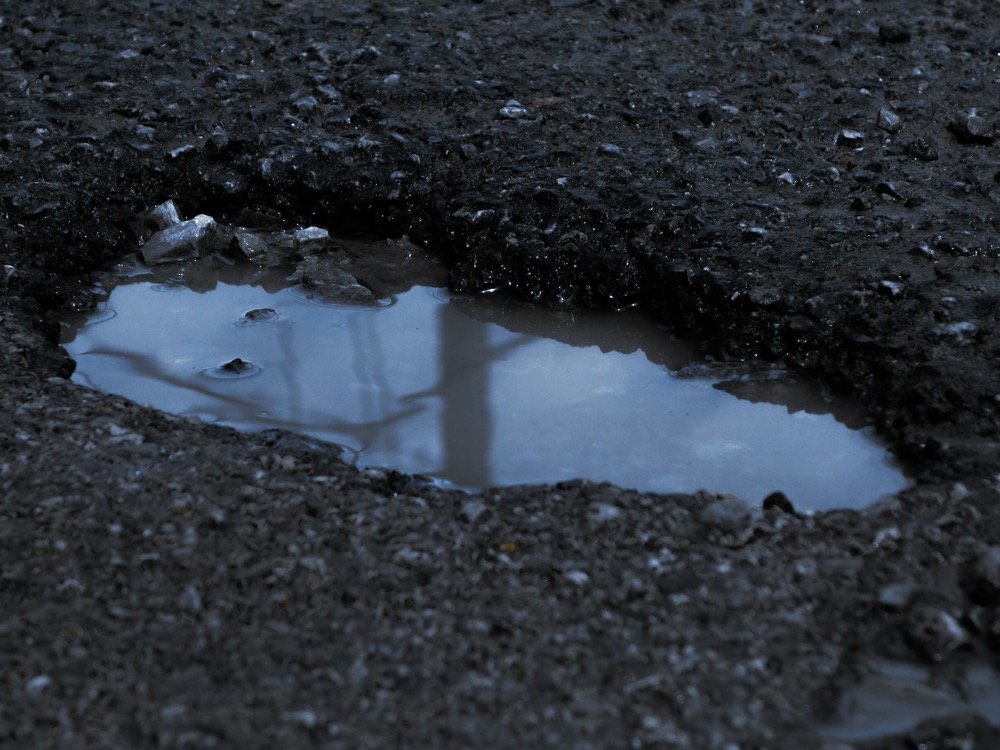
A tire that needs air far more often than the other three usually has a slow leak, from a nail in the tread to a leaking valve. A tire shop can find it and tell you whether it can be repaired.

Some lights mean stop as soon as it is safe; others mean book a check soon. Red usually signals the more urgent kind and amber a check. The owner’s manual lists every light your car has.

Our phone line is open Monday to Friday, 9am - 5pm EST, and email reaches us whenever suits you.