Brakes tell you how they are doing, if you listen
Most of a braking system sits behind the wheels where a driver cannot see it. What a driver can do is notice changes: in how the pedal feels, in the sounds the car makes as it slows and in how straight it stops.
None of the checks on this page involve taking anything apart. They are about paying attention, looking at the fluid reservoir under the hood and knowing which changes call for a technician the same week.
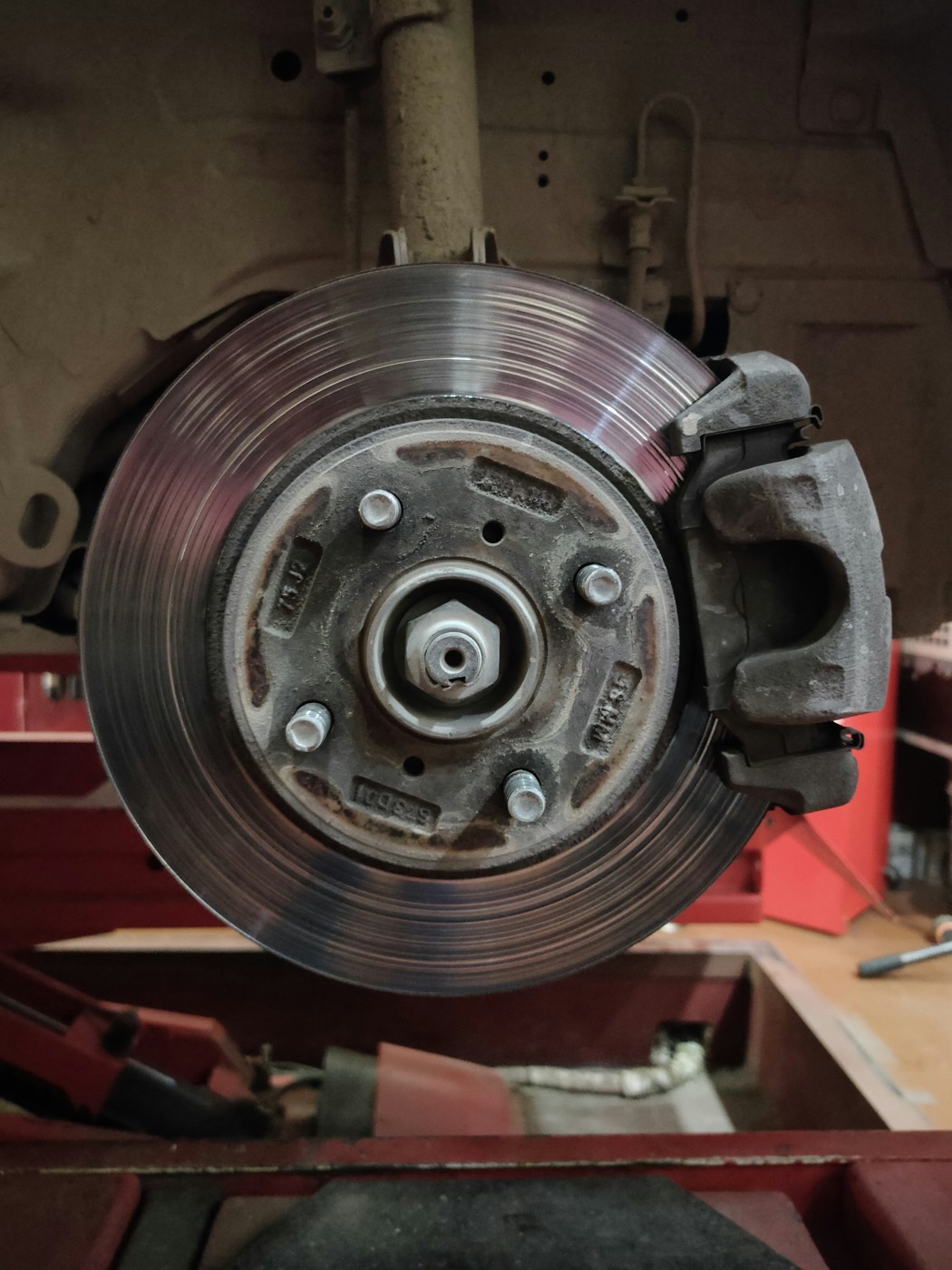
Quick checks you can do
- How far the pedal travels before the car slows
- Whether the car pulls to one side when braking
- The brake fluid level in its reservoir
- Any warning light on the dashboard
What to notice
Pedal feel
A pedal that feels soft or spongy, sinks slowly toward the floor or needs more push than it used to is worth having checked soon.
Sounds
A high squeal can come from the small wear indicator built into many pads. A grinding or scraping noise is a stronger sign and should not wait.
Steering while braking
If the car drifts to one side or the steering wheel shakes as you brake, mention it to a technician; both have several possible causes.
Brake fluid
The reservoir is usually a small translucent tank near the back of the engine bay, marked with MIN and MAX lines. Level and color are both worth a look.
See a technician the same week when
- The pedal feels soft or goes lower than usual
- You hear grinding or metal on metal
- The brake warning light stays on
- The fluid level keeps dropping
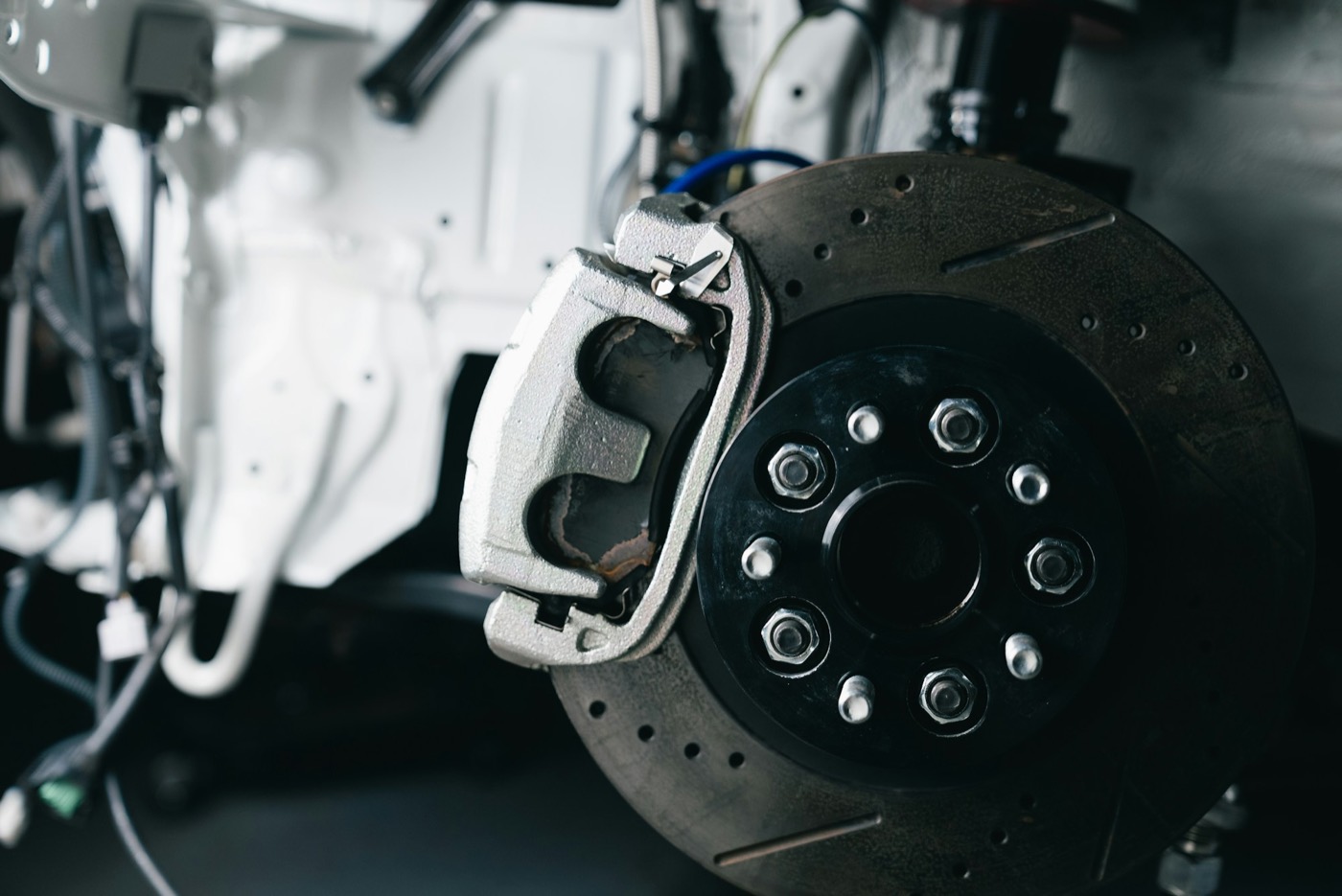
Brake fluid absorbs water over time, which is why makers list a schedule for changing it. The schedule is in the owner’s manual. If the fluid has turned dark, or the level has fallen without explanation, a shop can test it and look for a leak.
Common questions
Not always. Damp mornings and dusty roads can make brakes squeak for a few stops. A squeal that comes back every time you brake, or a grinding sound, is worth having checked.
Many owners do, using the exact fluid named on the reservoir cap or in the manual. A level that keeps falling points to wear or a leak, and topping up does not fix either.
Many cars pulse the brakes rapidly when a wheel starts to lock, and you feel it through the pedal. Keep pressing firmly; the system is doing its job.
Depending on the car, it can mean the parking brake is on or that the brake fluid is low. Check the parking brake first, then the manual, and have a technician look if it stays lit.
This page is general information, not an inspection or a diagnosis of your car. Follow your owner’s manual and ask a qualified technician about anything you find.